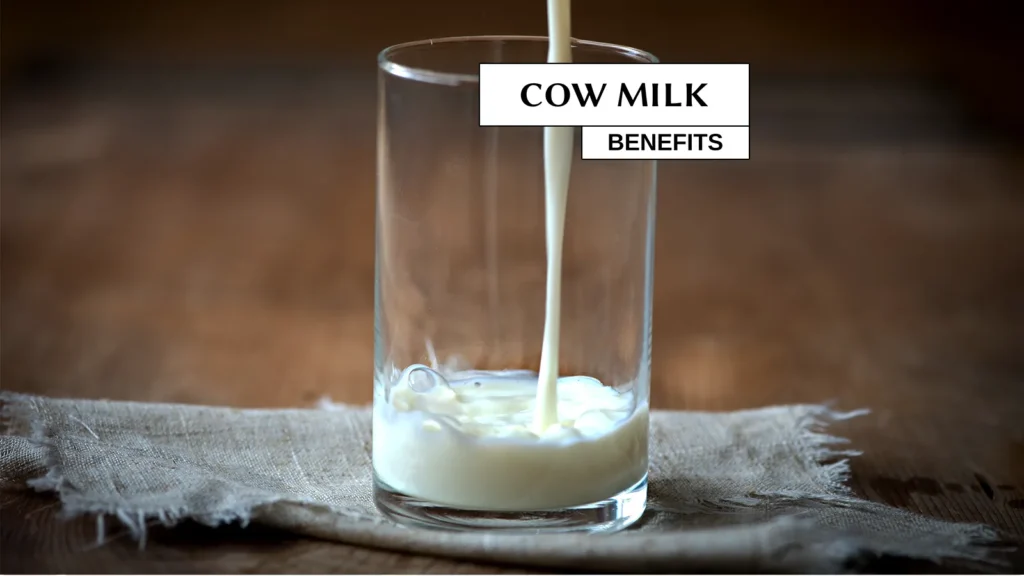
Text over a glass of milk.

Cow Milk Benefits – 2026 Analysis: Nutrient-Dense Staple

Click/Tap me for context Cow’s milk (Bos taurus) is a nutrient-dense animal-source food consumed by humans for thousands of years. It provides high-quality protein, highly bioavailable calcium, phosphorus, potassium, vitamin B12, riboflavin, and various bioactive components. Modern systematic reviews, umbrella reviews, and meta-analyses show that moderate consumption is more often linked to health benefits than

Cow Milk Benefits – 2026 Analysis: Nutrient-Dense Staple Read Post »
Text over chemical symbol of Iodine.

Iodine Benefits – 2026 Analysis: Thyroid and Developmental

Click/Tap me for context Iodine is an essential trace mineral primarily known for its critical role in thyroid hormone production (T3 and T4). These hormones regulate metabolism, energy use, protein synthesis, growth, and development across nearly every system in the body—including the brain, heart, muscles, liver, kidneys, and bones. Deficiency is the main concern worldwide

Iodine Benefits – 2026 Analysis: Thyroid and Developmental Read Post »

Text over chemical symbol of Zinc.

Zinc Benefits – 2026 Analysis: Immune Support, Wound Healing, and Growth

Click/Tap me for context Zinc (Zn) is an essential trace mineral that your body cannot produce or store, so it must come from diet or supplements.It acts as a cofactor in over 300 enzymatic reactions, playing key roles in: DNA and protein synthesis Cell division and growth Immune function Wound healing Antioxidant defense Hormone production

Zinc Benefits – 2026 Analysis: Immune Support, Wound Healing, and Growth Read Post »

Text over Moringa leaves & powder.

Moringa Benefits – 2026 Analysis: Antioxidant, Metabolic & Nutritional Powerhouse

Click/Tap me for context Moringa oleifera Lam. (commonly known as the drumstick tree, miracle tree, or horseradish tree) is a fast-growing, nutrient-dense tree native to the Indian subcontinent and now widely cultivated in tropical and subtropical regions. Almost every part—leaves, seeds, pods, flowers, and roots—has been used for centuries in traditional Ayurvedic, African, and Southeast

Moringa Benefits – 2026 Analysis: Antioxidant, Metabolic & Nutritional Powerhouse Read Post »

Text over a bowl of Spirulina Powder

Spirulina Benefits – 2026 Analysis: Antioxidant, Anti-Inflammatory & Metabolic Superfood

Click/Tap me for context Spirulina (scientifically Arthrospira platensis) is a microscopic, filamentous cyanobacterium (blue-green algae) that thrives in freshwater lakes and alkaline ponds. It has been consumed for centuries as a nutrient-dense food—known as tecuitlatl by the Aztecs around Lake Texcoco in Mexico and as dihe by communities around Lake Chad in Africa. Today, it

Spirulina Benefits – 2026 Analysis: Antioxidant, Anti-Inflammatory & Metabolic Superfood Read Post »

Text over peppermint plant.

Peppermint Benefits – 2026 Analysis: Digestive and Refreshing

This is not medical advice. Always consult a healthcare professional before starting any supplement. Peppermint (Mentha piperita) has been used for centuries in traditional medicine, culinary applications, and as a flavoring agent. The key bioactive compounds in peppermint include menthol, menthone, and various flavonoids, which contribute to its antispasmodic, antimicrobial, and antioxidant properties. Peppermint is

Peppermint Benefits – 2026 Analysis: Digestive and Refreshing Read Post »

Text over chemical symbol of iron.

Iron Benefits – 2026 Analysis: Oxygen Transport, Energy, and Brain Health

Click/Tap me for context Iron (Fe) is an essential trace mineral critical for numerous physiological processes. Modern science has extensively documented its importance, with heme iron (from animal sources) being highly bioavailable and non-heme iron (from plants and fortified foods) requiring enhancers like vitamin C for optimal absorption. Deficiency remains one of the most common

Iron Benefits – 2026 Analysis: Oxygen Transport, Energy, and Brain Health Read Post »

Differences between green tea and black tea.

Black Tea vs Green Tea: Key Differences

Both black tea and green tea come from the same plant — Camellia sinensis — yet they deliver completely different experiences. The secret lies in one key step: oxidation (sometimes called fermentation). This simple difference in processing creates distinct flavors, colors, caffeine levels, and health benefits. COMPARISON TABLE Aspect Black Tea Green Tea Processing Fully

Black Tea vs Green Tea: Key Differences Read Post »

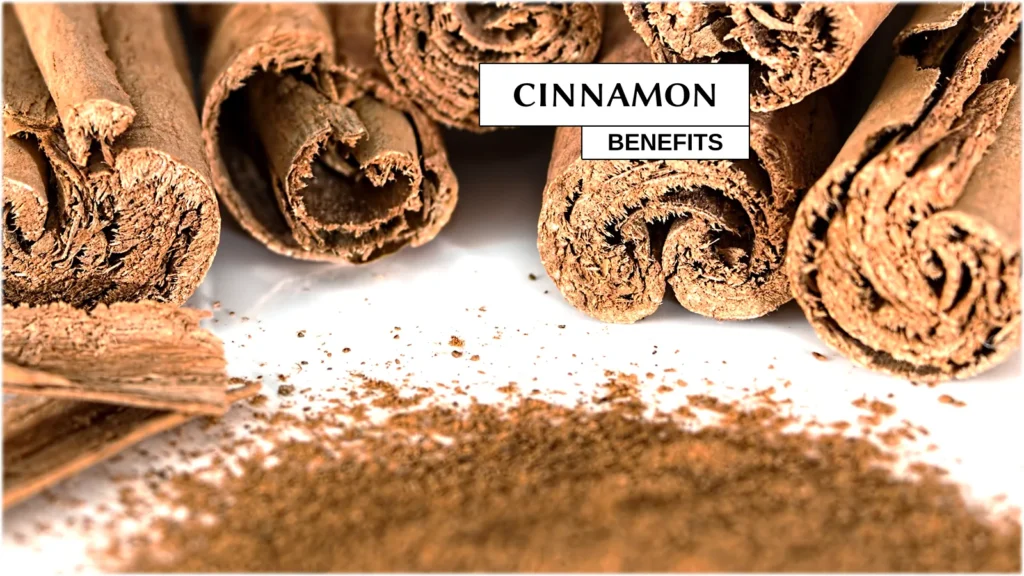
Cinnamon

Cinnamon Benefits – 2026 Analysis: Antioxidant and Blood Sugar-Regulating Spice

Cinnamon, derived from the inner bark of trees in the Cinnamomum genus (primarily Ceylon cinnamon/C. verum and Cassia/C. cassia), is a popular spice with origins in Sri Lanka, India, and Southeast Asia. For centuries, it has been used in cooking, traditional medicine (Ayurveda, Traditional Chinese Medicine), and as a natural food preservative. Its health-promoting effects

Cinnamon Benefits – 2026 Analysis: Antioxidant and Blood Sugar-Regulating Spice Read Post »

Text next to the chemical symbol of Magnesium.

Magnesium Benefits – 2026 Analysis: Cardiovascular, Metabolic, and Neurological Fundamental

Magnesium (Mg) is an essential mineral and a cofactor in over 300 enzymatic reactions in the body, including those involved in energy production, muscle and nerve function, blood glucose control, and blood pressure regulation. It supports structural bone development, DNA/RNA synthesis, and antioxidant processes like glutathione production. While magnesium is abundant in foods such as

Magnesium Benefits – 2026 Analysis: Cardiovascular, Metabolic, and Neurological Fundamental Read Post »

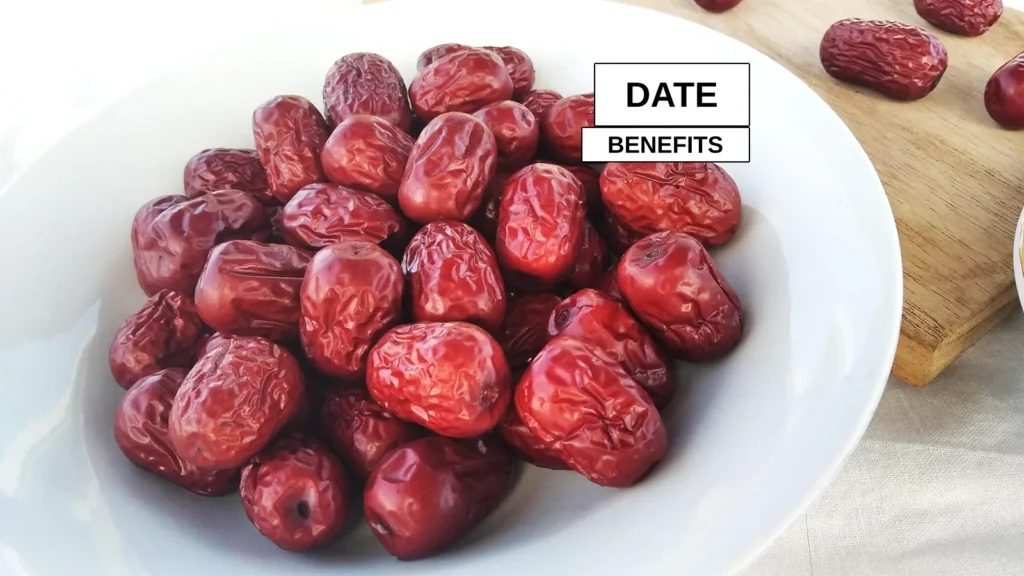
Text over a plate of dates.

Date Benefits – 2025 Analysis: Fibrous Antioxidant

Dates (Phoenix dactylifera L.) are the sweet, energy-dense fruits of the date palm, cultivated for millennia across the Middle East, North Africa and South Asia. They serve as a natural sweetener, staple food and traditional remedy. Modern research confirms dates are exceptionally rich in dietary fiber, potassium, magnesium, natural polyphenols (ferulic acid, catechins, quercetin, anthocyanins),

Date Benefits – 2025 Analysis: Fibrous Antioxidant Read Post »

Scroll to Top